
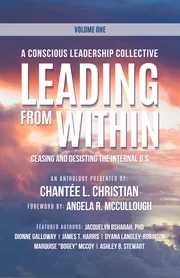

Seeking to help readers clarify what leadership means to them, Christian warns that this book isn’t intended for passive reading—the editor is inviting readers to engage in the “personal, professional, soul, spiritual” work outlined in this motivational work (the first volume in a series) that she describes as “a space for truth-telling, for authenticity at its core. A place to honor the messy, magical process of becoming.” Her exhortations include “Engage Authentically,” “Exercise Your Discomfort Muscle” (“Let go of the need to agree with everything”), and “Personalize Your Experience.” In these pages, Christian has assembled testimonials from various businesspeople and motivational figures, all evincing what contributor Jacquelyn Bsharah calls “Thoughtful Leadership,” which she describes as “a values-based approach to leadership that prioritizes self-awareness, authenticity, and aligning decisions with purpose, not just performance.” The pieces vary in tone and content. Executive James Harris, for example, reflects on the tough love he received from his father, which taught him that leadership is “about showing up, doing the work, and carrying others with you.” Journalist-turned-consultant Bsharah looks back on being rejected for a job as a special assignment reporter and how she used the setback as motivation to work harder (“Less than a year later, I was tapped for a major story, and eventually was promoted to running the division”). The decision to include a range of distinctive narrative voices was a wise one; the different perspectives liven up the pace and keep the flow interesting. Readers will find some contributors more engaging than others, depending on whether they want their leadership advice to be practical or spiritual (some contributors talk about real-world workplace challenges, while others quote Rumi). Despite these differences, the concept of “Thoughtful Leadership” tends to unify the whole.