
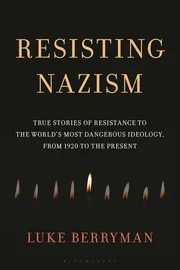

“Why didn’t more people resist Nazism?” Berryman is often asked. The author replies that it depends on what one means by resistance. The founder of the Ninth Candle, a nonprofit that helps schools improve Holocaust education, Berryman writes that not every German under Hitler’s rule had the wherewithal or access to bomb the Führer in his bunker, but there were layers of resistance at work all the same, ranging from active political resistance to nonconformity, refusal, and protest. When the Nazis seemed to be out on the fringe in the 1920s, Berryman holds, “the most persistent of [the] early resisters were the cartoonists who worked for satirical magazines.” That continued until censorship set in; one telling cartoon from 1933 depicts Nazi violence taking place off in the distance while ordinary Germans strolled by, blissfully unaware. Just as dangerous was joining “pirate groups,” most of them populated by working-class youngsters who didn’t attend school but who were too young for military service, and who “all…rejected the Nazis.” Some even distinguished themselves by listening to forbidden jazz music. From prison camp revolts to ghetto uprisings and partisan warfare, some resistance took deadlier form. Berryman also includes the wartime experience of a Black American soldier, Leon Bass, who helped liberate Buchenwald and returned to the U.S. committed to the cause of civil rights, saying, “Nazism in Germany is the other side of racism and Jim Crow segregation.” Pointedly, Berryman extends his series of profiles to the present, given the resurgence of nationalist and white supremacist movements throughout the West: Not all are Nazis, strictly defined, he notes, but there are “enough points of overlap to give the stories in this book fresh relevance.”