
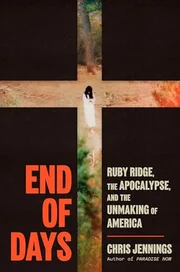

The 1992 standoff at Ruby Ridge, Idaho, has largely been forgotten. Jennings, the author of Paradise Now (2016), revives the story with the moment that touched off tragedy: Survivalist Randy Weaver had holed up with his family in a mountain retreat, and, having essentially entrapped him in an illegal gun sale, the FBI came looking for him. A dog was killed, then a 14-year-old boy, then an agent, after which Ruby Ridge became the site of a siege in which Randy’s wife died. While the agency never admitted overreach, the FBI quietly settled with the survivors, Randy among them, some years after the standoff. Jennings links this event to the popular “dispensationalist” theology filling the airwaves at the time courtesy of televangelists such as Pat Robertson, which, among other things, promulgated the argument that because Jesus was going to return any day now, there was no need to fret about nuclear war, environmental degradation, and the like—apocalyptic views endorsed by President Reagan and numerous members of his cabinet. “If earthly conditions are supposed to be growing worse,” writes Jennings, “then all the old hopeful schemes for sprucing things up come to resemble schemes of a more sinister nature.” So the Weavers apparently thought, and so did the Branch Davidians who came under siege a year later, and so, Jennings suggests, do subscribers to QAnon mythology today. In any event, as Jennings writes, the Weavers became martyrs to the Christian nationalist cause, the Charlie Kirks of their day, “saints of circumstance, beatified by the calamity that landed upon their heads.” The antigovernment stance of the Weavers and their supporters lives on, too; as Jennings writes, “Three decades on, Ruby Ridge looks more like the start of something than its finale.”