
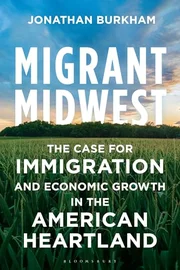

Burkham, professor of human geography at University of Wisconsin-Whitewater and a self-described “Midwesterner by birth and disposition,” makes the case for immigration as a way to stave off the impacts of population decline in the Midwest. Outmigration, lower fertility rates, an aging baby boom cohort, and low rates of immigration have led to “demographic winter”—where death rates exceed birth rates. While the environmental impact of a lower population is undoubtedly good for the planet, Burkham zooms in on the local level to explore the negative consequences for communities: fewer consumers for local businesses, fewer taxpayers to keep up roads and public transportation, fewer workers to fill job openings, less funding for schools, and more. Grounded in a historically contextualized overview of federal policies of restriction and reform, the book makes a case for a place-based immigration strategy that would prevent this fate from befalling the Midwest. In opposition to current U.S. immigration policy (which prioritizes family reunification over economic immigration), Burkham proposes a model based on Canada’s Provincial Nominee Program, which allows provinces to prioritize immigration based on their needs (students, businesspeople, skilled workers, semi-skilled workers) with the objective of balancing where immigrants settle across the nation. A system of this sort, the author says, would boost population and fill the gaps in industries that are in need of workers—namely manufacturing, health care, and construction. Burkham explores the current unprecedented levels of diversity and education levels of immigrants and the process of integration into suburbs. In our current political atmosphere, where debate about immigration often lacks nuance, Burkham’s measured tone and practical approach, rooted in research, is welcome.