
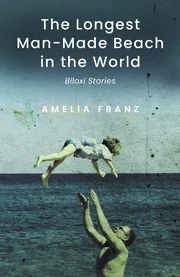

In this anthology of 11 tales ranging from 5 to 15 pages each, Franz explores the lives of ordinary people who reside in and around Biloxi. They struggle with personal weaknesses, unresolved tragedies, and the persistent sense of longing that comes from the fact that Biloxi is home to the world’s “longest man-made beach,” with all that this implies about a greater, more natural world somewhere beyond the town limits. In “Tchoutacabouffa (Life on a River),” for instance, a woman named Ashley Rose Jackson has tensely and carefully planned an escape for herself and her two daughters from their abusive father. She promises them that their new life will be better. “We’re going to a real ocean,” she tells them. “They’ve got a boardwalk and everything.” Likewise, in “A Good Home,” set during the Covid-19 pandemic, Emily and Ryan live in a shabby two-bedroom house off Interstate 10. Ryan’s a recovering addict in a methadone treatment program, and he’s floored when Emily tells him she’s pregnant. As they make their grim plans, Emily recalls an old dream: “The panes trembled in their white wooden grid from a big rig out on I-10, which she’d heard could take you all the way to the Pacific Ocean. To cold, clean water, a real ocean, a real beach.” All of these stories are markedly, sometimes startlingly spare, which underscores Franz’s deft ability to convey whole lives and worlds with minimal, very controlled brushstrokes. In “Broadwater,” the older brother of a young man named Tyler, who vanished 11 years ago, spends the whole story reflecting on the events that led to his brother’s murder, now a cold case. (“Hard to believe,” he thinks at one point, “my little brother would be thirty years old today.”) Rather than providing readers with an expected sense of closure, Franz ends the tale with the brother reflecting, “My best guess, life’s a one-shot deal. Gone is gone.” This clipped, almost brutal tone runs throughout most of these stories and makes them truly memorable.