
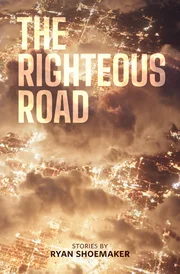

In his opening story, “Come as You Are,” the author introduces readers to an early-’90s teen named Toby who finds rock idol Kurt Cobain hiding in the back of his car. They end up jamming together and eating pizza with Toby’s dad, who promptly asks Cobain about his thoughts regarding Mormonism—much to the discomfort of Toby, who lied about the musician’s interest. Beneath the slapstick setup is the tension between secular culture and the tenets of Mormonism; the author develops this idea further in the story “Light Departure,” which depicts a Mormon at the end of his mission who must come to terms with an African immigrant who comes out to him as gay. In “The Water Between Us,” a young father flounders to find his footing and provide for his family in “the way we’d been taught and raised at church and at home,” while in the moving story “The Righteous Road,” two teenagers waver between activism and faith before ultimately choosing different paths. Stories like “Adam and Lilith. And Eve” and “Barry Dodson: The God Journals” demonstrate Shoemaker’s knack for satire, spinning cosmically absurd setups into one deeply funny joke after another. (“It’s nice,” the first woman in all of creation says, evaluating the Garden of Eden like it was any suburban home. “But all the green’s, like, a little overwhelming. Don’t you think?”) Some stories, notably “Parley Young: One Mormon Life,” about a church elder who abuses his power, feel rushed, striving to tackle many ideas within a short amount of space, but the author’s clever eye for detail and the prickly humor in the voices he brings to life consistently draw the reader back in. In stories like “In That Classroom” and the titular entry, he shows his range, focusing on specific, emotionally charged, and well-observed moments that crescendo to powerful revelations that are sure to connect with all readers, Mormon or otherwise.