
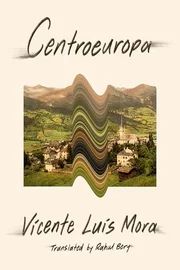

When Redo Hauptshammer arrives from Vienna in the Prussian village of Szonden on the banks of the Oder River in the 1820s, his first task is to bury his murdered young Spanish wife, Odra—the victim of random gunfire—on the same plot of land where he hopes to raise sugar beets. But when he first places his spade in the soil, he makes a startling discovery: the icebound body of a Prussian hussar soldier. Redo’s shock and sadness only grow as his repeated efforts to excavate a suitable gravesite reveal multiplying numbers of “dead, frozen soldiers, surrounded by their weapons under pools of coagulated blood that announced their presence a few feet farther down.” Each new dig discloses double the number of bodies, until he has unearthed a total of 31 men from different eras. Meanwhile, an albino witch named Ilse informs him more are yet to be discovered. To his rising frustration, Redo must confront recalcitrant authorities—stretching from the local gentry and minor government functionaries all the way to the highest levels of the Prussian regime—who seem vaguely sympathetic to his plight, but just as determined to delay a solution to the inexplicable problem. One finally admonishes, “You understand it’s not convenient for death to cause such commotion in a country that is at peace.” As Redo muses on his brief period of marital bliss and deals with his grief over Odra’s death, tenant farmer Hans and local historian Jakob Moltke provide support and consolation. Mora’s surreal premise and understated tone subtly mask a pointed critique of governments that don’t hesitate to send their citizens into battle while refusing to face the consequences of those fateful decisions.