
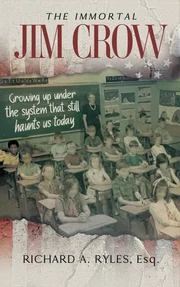

A lifelong resident of Palm Beach County, Florida, Ryles experienced discrimination firsthand growing up in the segregated city. Telling his story with autobiographical vignettes that jump across multiple timelines, the author emphasizes both the pervasiveness of racism and the resilience and determination of the city’s Black residents. He notes, for instance, that when the integrated Atlanta Braves Major League Baseball team trained in South Florida, the Black players were not allowed to stay in segregated hotels. This situation prompted Palm Beach’s Black community, including Ryles’ parents, to offer lodgings to all-stars like Dusty Baker, who wrote the book’s foreword. The author discusses the influence of his grandparents’ neighbor, Edward Rodgers, who served a pivotal role in advocating for civil rights reforms before becoming the county’s first Black judge. The author would follow in Rodgers’ footsteps as a lawyer whose legal work overlapped with his activism. (Ryles would serve on the West Palm Beach City Commission and as president of the city’s Housing Authority.) The author combines his fascinating and deeply personal history of the Black experience in Palm Beach with a broader commentary on how slavery and the legacy of Jim Crow continue to reverberate into the present. “Jim Crow never fully went away,” he writes, adding that he believes that the era of segregation and legalized discrimination has “metastasized into more heinous and covert methods of racial subjugation.” He connects his son’s 2019 interaction with police—who arrived on the scene of a car accident with guns drawn rather than focusing on rendering aid to the stranded motorist—to other episodes of police hostility toward young, Black males, such as the 2016 killing of Philando Castile. The book’s narrative is often interrupted by “Did You Know” segments that include trivia about Black history, where Ryles shares his insights on topics that span from the Trump administration’s anti-diversity campaigns to the white savior trope often found in movies about slavery.