
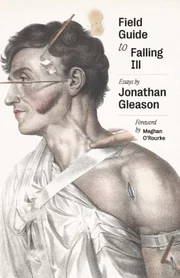

In this dynamic essay collection and winner of the Yale Nonfiction Book Prize, Gleason straddles the boundaries between being a clinical worker as well as a patient as he examines the interactions between modern health care and the biological vulnerabilities of the human body. For children, as evidenced in the opening piece “Inheritance,” illness and, more gravely, death carries speculation and a demand for explanations as in the case of the author’s family, where several of his young cousins died of a genetic brain disorder. Conveyed through a series of letters, “Blood in the Water” finds the author sympathizing with Gaëtan Dugas, the French Canadian flight attendant mislabeled as “Patient Zero” at the onset of the AIDS epidemic as Gleason grapples with his own paranoia after an inconclusive HIV test. While each of these essays view the seriousness of human illness through the author’s perspective, some pieces are more personal than others. The title piece, for example, describes Gleason’s first week working as a free-clinic medical interpreter until the terrifying discovery of a blood clot in his left shoulder and the “blunt mechanics” involved in the chest surgery he needs. His anxious experiences, chronic physical pain, and frustration dealing with medical apathy as an ER and hospital in-patient will connect and resonate with every reader. Elsewhere, Gleason chronicles heart disease; the dramatic pharmacological evolution of early AIDS drug AZT; gun violence; and prison life. A decade in the making, Gleason’s collection unites everyone with the commonalities of medical necessity, pain, prescription medication, and how suffering from chronic illness at some point in our lives tends to leave us profoundly changed by it.