
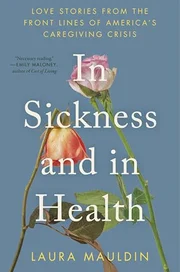

“There are so many family caregivers in the United States that if they were paid, their labor would be worth more than the amount spent on all other forms of professional long-term care combined,” writes Mauldin. Trained as a medical sociologist, she also fell in love with a woman whose leukemia returned, to which Mauldin responded by learning other skills, managing medications, administering IV infusions, and conducting physical therapy sessions. There is, Mauldin charges, a “dehumanizing logic” that accompanies such care: The caregiver, likely working a full-time job herself—and most caretaking falls to women—may come to feel resentful at the extra responsibilities, while the person being cared for may come to feel unworthy, a burden. Indeed, Mauldin writes, it is a sign of unhealthfulness in society that we increasingly accept that it’s all right for the caregiver to walk away from such unpleasantries. Interviewing scores of people who fall under the rubric of “The One,” the one who does the caretaking because so few people can afford private home care, Mauldin describes some of the attendant stresses as they attend to loved ones afflicted by MS, traumatic brain injury, HIV/AIDS, Alzheimer’s disease, and other maladies. She also notes that these burdens tend to fall more lightly on white people than on people of color: “Black women are especially ignored, viewed only as ‘incompetent’ and not listened to about their care needs.” For them, as for queer people, Mauldin writes, it has long been customary to form “alternative, communal” forms of care, as well as advocacy groups for disability rights, disability justice, and “different distributions of care labor.”