
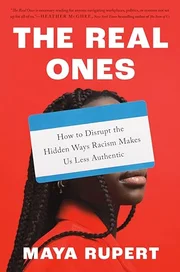

Rupert argues that while “authenticity is supposed to [be freeing], for some…it stands in the way of freedom.” Drawing on her background as a presidential campaign manager and adviser and her lived experience as a Black woman, Rupert reveals how authenticity actually operates as a barrier to both equality and inclusion. While running former San Antonio Mayor Julián Castro’s 2020 presidential campaign, she observed firsthand the way “unconscious biases and double standards” affected candidates of color like Castro and others. What she saw tallied with her own experiences and the way she often had to “contort” herself into social acceptability by performing a version of blackness approved by the dominant (white) culture. This involved such tactics as the “code-switching” or speech pattern adjustments such as those made by presidential candidate Kamala Harris, depending on whether she was speaking to white or Black audiences. In the world of popular music and culture, the author sees similar biases that work against people of color. While Taylor Swift is allowed to appear as the imperfect, vulnerable—and therefore authentic—“girl next door,” Beyoncé must be the flawless Queen Bey, because “[f]or people of color, the appeal has to be indisputable to be recognized at all.” To begin leveling an unequal cultural playing field, Rupert suggests that authenticity needs to be rethought. Rather than continuing to treat it as an entrapping “ideology,” it must be seen as “methodology” that allows people of color to survive a white supremacist society.