
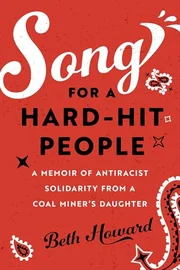

It may seem an impossible task to convince white Southerners living in poverty—without adequate health care or affordable housing—that they benefit from white privilege, but Howard has spent a lifetime challenging entrenched fallacies and formidable foes. A lifelong activist and professional community organizer, Howard feels a deep connection with the working poor, the chemically addicted, and the chronically ill because, she writes, “I am a working-class white Appalachian.” This compassionately told memoir traces the author’s trajectory from a chaotic childhood in a struggling working-class family in rural Kentucky to a career spent fighting for racial and social change in leadership roles with community organizing groups. The story is most vivid in her account of growing up on her grandparents’ tobacco farm with a mother who worked as a grocery clerk and a father who was a strip miner with weaknesses for alcohol and cocaine. He could turn violent on a dime. “Seeing men with guns in their hands was as common as seeing the sun rise and set each day,” Howard writes. “It was just another way we marked time.” But her father had a keen mind, was a voracious reader and had strong liberal leanings, which informed Howard’s moral compass. She was in the seventh grade when she led her first protest against a school lunchroom monitor who refused students refills of water. Howard’s career took her to Florida, West Virginia, and back to Kentucky with various organizations, and along the way she risked repeating family history by drinking herself into oblivion. A mental health treatment program and AA helped save her from depression after her father’s death.