
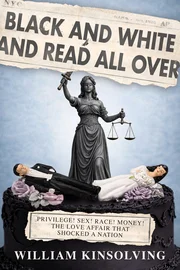

Twenty-something Alice Jones meets 18-year-old Leonard Kip Rhinelander in 1921. She’s one of three daughters of a couple who emigrated from England. Her father, George Jones, was the son of a West Indian sailor and a white English tavern owner; her white mother, Elizabeth, was a kitchen maid in a grand British estate. In 1891, the couple moved to New York. Now, 30 years later, Alice is walking down Pelham Road in New Rochelle when Leonard drives by in his new Oldsmobile convertible. Momentarily distracted by her, Leonard can’t stop his car quickly enough and bumps into a police car parked by the curb. Impulsively, Alice tells Sgt. Kelly that she saw what happened, and that the tall, gangly driver wasn’t speeding. Leonard, the young scion of New York’s top-tier Rhinelander family, gratefully offers her a ride. By the time he drops her home, four hours later, they’re smitten with each other. Within a few months, Leonard’s father, Philip, learns of their relationship, and he aims to torpedo their romance, sending Leonard to places far and wide for the next two years—but he can’t prevent them from writing voluminous letters to each other. An uncomfortably generous portion of the novel is devoted to the steamy contents of Alice’s letters to her beau: “you always knew that I love to be in your loving arms and hold your warm lips to mine. I knew many times, Len, dear, how I have made you feel very happy.” The letters are made public in a 1925 trial in which Philip forces his son to sue Alice for annulment of their secret 1924 marriage. The trial plays out in disturbingly lurid detail, vividly illustrating the implicit and explicit misogyny and racism of the period. Alice’s older sister, Emily Jones Brooks, serves as a knowledgeable narrator for Kinsolving’s fictionalized version of the real-life drama.