
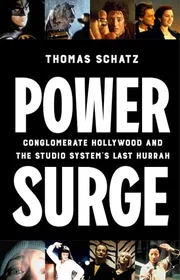

This book by communications professor Schatz (The Genius of the System: Hollywood Filmmaking in the Studio Era, 1988) covers 15 years—from 1989 to 2004—that set the table for the complex, franchise-heavy film era we’re now in. Focusing more on business moves than aesthetics, the book is mostly concerned with ever-merging studios and the big, high-risk bets they made: Batman (1989), Jurassic Park (1993), Toy Story (1995), Independence Day (1996), Titanic (1997), and other exemplars of ever-bloating budgets and revenue. Though such projects seem like inevitable successes now, Schatz shows how they were built out of complex production funding, licensing, and marketing deals, and (quite often) panic. Disney, for instance, was flailing on its animation side until Beauty and the Beast (1991) and computer animation got it back on track. The explosion in event films occurred in tandem with the rise of what Schatz calls “Indiewood”—independent companies like Miramax (led by Harvey Weinstein) or arthouse-minded subsidiaries looking to reinvent the surprise successes of hits like Sex, Lies and Videotape (1989), Do the Right Thing (1989), and The Blair Witch Project (1999). U.S. media deregulation opened the floodgates for a host of mergers and international partnerships, but the shifts only seemed to serve the interests of big-budget plays on familiar intellectual property—hence the rise of the Marvel Cinematic Universe. Schatz covers all this thoroughly, if a bit bloodlessly, more concerned with the financial consequences of various projects that left everyone not named Steven Spielberg artistically compromised. The book’s scope means he can only briefly mention the rise of streaming players like Netflix and Amazon, but his outlook is pessimistic: “truly memorable films are in increasingly short supply.”