
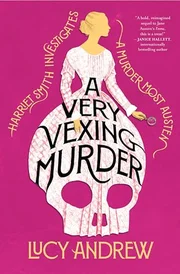

Readers familiar with Harriet Smith as Emma Woodhouse’s mousy, unmarriageable protégé will be surprised to learn that Harriet (not her real name, by the way) is already at age 18 an accomplished con artist, trained by the father she turned on and fled, who’s hired by Mrs. Lavinia Churchill to recover some prized jewelry Jane Fairfax pinched from her and prevent Jane from marrying Frank Churchill, the client’s nephew, ward, and heir, by any means necessary. Throwing herself into the assignment with vigor, Harriet gets intermittent help from her friend Robert Martin, a tenant farmer and aspiring author whose lover, Reuben Denny, is the “heartthrob of the Derbyshire militia.” The plot seriously shades Emma and her future husband, George Knightley, who have little more than walk-on roles. But it does make room for multiple poisonings, a scorpion planted in a box on a dressing table, and Harriet’s growing fear that the force behind all these alarums and excursions is none other than her father, determined to avenge himself on his treacherous daughter. The melodramatic climax places multiple interested parties, three of them armed with guns, on a cliff two of them end up plunging over. That aptly summarizes the principal pleasure of this improbable series debut: The tension that arises from Andrew’s desire to duplicate the characters of Austen’s novel, inviting the reader to wonder if she’s willing to bend their possible fates—will any of Austen’s own characters emerge as victim or killer?—and then unleash a criminal fantasia that borrows only some names from its celebrated source.