
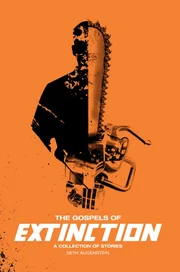

While many of the 21 stories in this work feature ghastly sights, they’re grounded in a strong sense of family. In “Inheritance,” a father with stage 4 cancer suddenly shows up at his estranged son’s house. He’s there to clear the air, though his real purpose involves his grandson and a rather dark family tradition. “Vantage” is spine-tingling before the true horror even reveals itself. It’s Sebastian Bates’ weekend with his young daughter, Bree. Things are going just fine for the Manhattanite until he gets a package containing the personal effects of his Uncle Joe, a murder suspect who died nearly two decades earlier in the 9/11 attacks; one of those items then takes the story into decidedly creepy territory. People throughout the tales confront serial murderers, ghosts, and various supernatural entities—in one entry, a company’s rogue artificial intelligence offs its employees. As in much great horror fiction, some unexpected turns and ambiguous endings offer little in the way of hope. The wonderfully drawn characters, however, ensure that not every aspect of this collection is bleak. One highlight is the closing “Bedtime Story,” in which a father has time for one more tale for little Frances. But the girl has one of her own: Every night at Camp Ninhiluwe, she and her fellow campers play a game that’s basically hide-and-seek in the dark. Those who are found get “The Mark,” which is just a blotch made from squished berries. So why are the marked kids “acting weird”?
Augenstein’s taut, indelible stories, many of which unfold on the U.S. East Coast, showcase characters obsessed with the strange and unknown. Among the cast is a reporter determined to convince a death row inmate to reveal where her victims are buried and a new homeowner who must know why his dog is terrified of the wooded backyard. The author plays with narrative styles (like flash fiction) and perspectives. In the case of “No Man’s Land,” a grandfather tells his teen grandson a war story, which begins with another person’s harrowing account of World War I. The narrator’s world in “Something Else Is Slipping Away,” including the scary man standing on his porch, isn’t quite what it seems. These stories are just as smart as they are frightening; some weave in American history or such scientific details as Todd’s surprising discovery at his lab in “The Old Breed.” The characters aren’t dense—they find themselves in unspeakable danger after trusting the wrong person or luxuriating in a false sense of safety. Augenstein’s prose zeroes in on the atmosphere, as in this description of friends trekking to a cemetery in the forest: “The crisp smell of decay hung on the unseasonably warm air. They were sweating in minutes, removing sweatshirts and hats quickly. Even in the mid-afternoon sun, the hulking ruins of the structures alongside the path were shadowy monoliths, inscrutable.” Even the elements of more overt horror—teeth, plentiful knives, a chainsaw—never tip over into excess.