
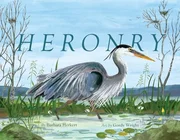

On each spread, four poetic lines of text detail the birds’ breeding season, the use of present tense conveying a you-are-there immediacy. Wright’s accurate, freely sketched watercolorlike artwork, dominated by subdued hues of blue-gray, depicts these birds from a variety of perspectives. Sidebars relate further information (size, wingspan, diet, nesting and courtship, and the growth and maturation of the chicks). Herkert describes these birds hunting at night, though she doesn’t explain how their special vision makes that possible. We learn that heronries—or heron breeding colonies—often attract eagles, hawks, and owls, eager to prey upon the young birds. Between pages, one chick dies (readers aren’t told exactly how); the moment passes quickly, and the sidebar notes that such loss is common. Soon the surviving chicks are old enough to leave, and nests throughout the heronry “sit empty now”—but “next spring, the herons will return,” Herkert assures readers. Brief backmatter adds more information: Some great blues migrate seasonally, and conservation efforts are ongoing (though the author doesn’t mention that these birds are now happily in the “least concern” category). The sensitive artwork and spare text give the majestic great blues the focus they deserve.