
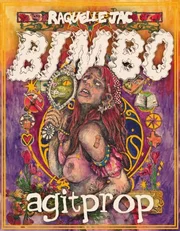

This graphic novel presents within its very title an intriguing provocation, reflected powerfully in the book’s cover. A woman lingers in a pose somewhere between spiritual possession and magazine pin-up, her eyes an empty white, a dragon reflected in a hand mirror that she holds. It’s beyond compelling before the spine is even cracked. Jac’s feverishly full debut is a fractured confessional of her complicated youth. She spends a substantial amount of the volume on her mother, shown with a trucker cap, bared teeth, and straw-like hair, irrefutably ugly inside and out. Jac takes the reader on a grand tour of her mother’s mental instability, depicting religious fanaticism, dangerous quack medicine, emotional manipulation, and physical abuse. Jac’s corpulent, crass father and her stepmother don’t get a pass—the stepmother is portrayed as openly goading Jac to suicidality at every opportunity, with her father refusing to intervene. As Jac grows older and gains a degree of independence, she turns to visceral vignettes of teenage self-endangerment and articulates an acid-fueled epiphany about the nature of creativity in a capitalistic context, experienced while watching a Miley Cyrus DJ set. The brutal honesty and unresolved fury with which she recounts the particulars of life-altering abuse is deeply uncomfortable but utterly riveting, in no small part because of Jac’s wildly expressive artwork. Embracing the gritty, grotesque aesthetic of 1970s underground comix, her swirling, intensely cross-hatched visions of violence, chaos, and substance abuse underline, highlight, and circle in red ink her psychic pain. The book feels forcefully expelled from the depths of Jac’s psyche, gruesome and glorious at once.