
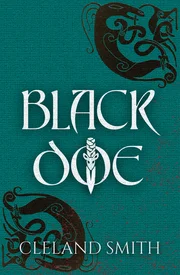

A ruthless assassin known as Bridei travels through the rugged 2nd-century Scottish Highlands with a single objective: Kill the feared warlord Drust. Armed with an enchanted knife believed to be the only weapon capable of ending Drust’s life, she infiltrates his camp at night, calculating every step of the mission while watching the soldiers and fires from the surrounding hills. The attack fails when Drust’s mage senses her presence, and she’s captured before she can strike. Instead of executing her immediately, however, Drust orders her crucified on a mountain as a warning to enemies. Suspended between life and death, Bridei struggles with pain, memory, and the consequences of a life devoted to killing. At the same time, another voice recounts the history of a Cruithne family living within the fragile structures of clan society. Tisiphone remembers the birth of her son, Timaeus, the fragile hope he represented, and the difficulty of life in a community shaped by superstition, grief, and violence. Clan rivalries, fear of outsiders, and the relentless cycles of loss mark everyday existence. Joy and tragedy intertwine from the beginning as she recalls holding her newborn child and recognizing the features he inherited from his parents. These strands gradually reveal a harsh landscape where personal histories, vengeance, and the struggle for survival constantly intersect. The feared order of assassins known as the Black Does emerges as a shadowy presence within this world. Initiates undergo a ritual that strips away their pasts and binds them to a specific mission, turning them into instruments of vengeance. Identity becomes something fragmented and uncertain; names and memories fade, while the obligation to kill remains. Life among the Cruithne unfolds with an emphasis on physical hardship and emotional endurance. Childbirth, illness, and the constant threat of conflict shape family relationships and community bonds. Rumors spread quickly, and fear of the supernatural blends easily with political rivalries between clans and warlords. Drust’s rise to power further destabilizes this environment, drawing in followers while leaving devastation in his wake.
The novel’s atmosphere and tone rely heavily on sensory intensity. Physical suffering is described with stark immediacy, emphasizing the vulnerability of the human body in a violent world: “This hole in me is larger than my body. I try to look down at it. Disbelieve what my body is telling me.” Smith never employs brutality merely for the sake of spectacle; brutality reinforces the emotional stakes and the precariousness of life in an era ruled by strength and reputation. Myth and history merge throughout the setting; early Celtic traditions, clan structures, and references to magic coexist naturally, creating a landscape where supernatural rituals feel inseparable from everyday reality. Witches, enchanted weapons, and prophetic visions function less as spectacular fantasy elements than as extensions of cultural belief, giving the setting a mythic quality while maintaining a grounded sense of historical hardship. Characterizations center around moral ambiguity; assassins, mothers, warriors, and leaders are shaped by grief, loyalty, and survival rather than clear distinctions between heroism and villainy. Violence often grows out of fear or duty, reinforcing the idea that identity is constantly reshaped by circumstance.