
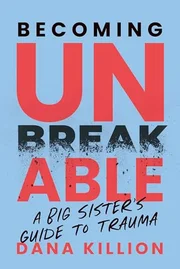

The book begins with a broad, sweeping definition of trauma: “If it feels traumatic to you, it is,” says the author. Killion offers an eight-step process for moving forward after trauma. Step One is determination, or becoming “willing to do the work to become unstuck.” The goal is to turn the “pain into a scar instead of an active wound.” Killion recommends writing down a determination statement and repeating it over time so it becomes rooted in one’s subconscious. Step Two requires taking action, often in small, imperfect steps. “Build Scaffolding,” the third step, involves weighing how you feel, think, and behave against what you say you want. In Step Four, survivors create a story around why their trauma happened, without condemning the people involved. Step Five is finding grace, which requires releasing anger, avoidance, and silence. The sixth step consists of learning to talk about trauma in an emotionally neutral way. Dealing with the “last 20 percent of the work” is the seventh step and demands “fighting for every last ounce of joy that is yours to claim, regardless of what you’ve been through.” The final step, “Prove It,” is complete once you have confidence in your ability to handle any challenge that arises. The book’s greatest strength is Killion’s blunt but compassionate “trauma big sister” voice. She validates experiences of trauma in statements like “Shit happened in your life. You feel bad. And you don’t like feeling stuck or empty.” The book emphasizes reclaiming personal agency and encourages change with probing, introspective questions: “What happens if nothing changes for me emotionally? Is this how I want to live for the rest of my life?” However, too much space is devoted to the author’s own marital trauma, divorce, and how she processed all of it.