
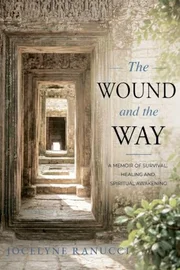

Raised in France by a single mother (who, per the author, reveled in manipulation and emotional abuse), at age 19 Ranucci put an ocean between them by moving to New York City. The New Age movement emerging at the time resonated with her own spiritual questions, feelings of interconnectedness, and hope for transformation and self-knowledge. Moving to Mexico in her 30s, “only to find that [her] existential malaise followed [her] wherever [she] went,” the author continued her quest for peace, becoming involved with a spiritual hospital and studying the teachings of Ascended Masters and Theosophy. In this period, the realization that her mother’s behavior was abusive marked a major milestone in her healing journey, though it wasn’t until Ranucci was in her 50s that she truly understood the extent of her mother’s malignant narcissism and its influence on her life. A grueling and transformative pilgrimage to Mount Kailash resulted in several deep insights: Struggle and hardship are not requirements for enlightenment, and while feelings are transient, the author’s sense of peace was a constant. Ultimately, this led to the profound realization that “healing is not always the arrival of answers, but the release of our need for them,” an outlook allowing deep, lifelong wounds to mend. Ranucci’s idea that “‘Christ’ could be seen not only as a title belonging to Jesus, but also as a state of divine consciousness gradually coming alive within the human soul” informs a thought-provoking exploration of spiritual commonalities between diverse religions. The author’s eloquent writing shines brightest when recounting interpersonal interactions and conveying internal reflections. Some of the spiritual, religious and philosophical ideas that she references but does not explain, like Buddha consciousness and “I Am” consciousness, may be unfamiliar to general readers; still, the author’s persistence in seeking peace will hearten others on similar journeys.