
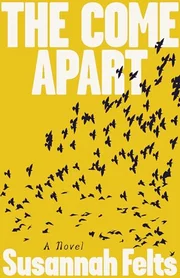

In the rearview: her old band, Spinning Birds, on the verge of possibly making it—and her former band mate and newly minted ex, Matt Turkish. Ahead of her, a dark highway, the promise of a rented room from Craigslist, and the ghosts of her past. Back in Nashville, Maggie returns to her old haunts to lick her wounds, grieve the unexpected death of her father, and pursue a career as a baker. Maggie struggles to navigate the complex grief surrounding the death of her father, the first person who truly cheered her on in her quest to become a musician but also chronically cheated on her artist mother and eventually left for a farm outside the city. The author is skillful at drawing the indie music world that Maggie inhabits—for example, the way a dive bar smells of “old smoke and beer, top note of spray disinfectant.” The Great Recession is a specter looming in the background, but the novel largely fails to grapple with what it felt like to try to survive in such a time, much less as a musician. One gets the sense—whether following Maggie’s poetic musings about the “orange brushstrokes of dawn” filtering through the window of a bakery or her interview about her artistic process with a student journalist—that Maggie is the kind of person who, though taking a detour through dive bars, crappy apartments, and heartbreak, will always be OK, which robs the novel of the kinds of stakes that would have made it abidingly memorable.