
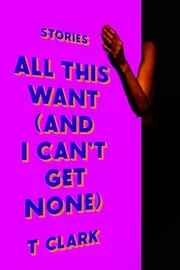

The protagonists in Clark’s short stories seem to yearn for desire itself—to lunge after it and to be left, somehow, with fistfuls of nothing but air. In “The Girl Gets Whatever She Wants,” Chrissy can’t quite track how she and her boyfriend—formerly her weed dealer—ended up together, though she “realize[s] you can fall in love with anybody if you hung around them enough.” She knows she wants more but not how to get it. In “Walks Like a Duck,” April introduces Itara, her friend from school, to her guinea pigs. “They’re all mine,” she says. “No one else’s.” Later, combing through a dirty book they’ve found in April’s sister’s room, April admits, “It’s weird, though. I kinda like everyone….But girls more. I think I might be a lesbian.” Many of Clark’s characters are queer, though many are only just awakening to their own hungers. The grade school protagonist of the title story—one of the book’s strongest—knows she “want[s] to be a mom really bad. I know girls who get pregnant young, and I feel jealous of the life they get to have….someone waiting up for them, someone who can give them everything they need.” Clark has the kind of commanding, seemingly effortless narrative voice that makes it almost impossible to turn away, and their dialogue is so natural it seems to actually transcend the page: You lose yourself so entirely in reading that you seem to hear the characters speaking. Not every story is a triumph—“Candy Girl” feels rushed and “Dark Times” underdeveloped, for example—but as a whole, the collection boldly announces Clark’s presence as a tremendous up-and-comer in the world of fiction.