
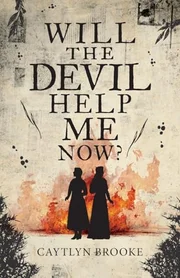

Elspeth Blackwood and her older sister, Isla, were raised in a family of trusted healers. They live together in a cottage outside Fife with Elspeth’s 4-year-old daughter, Annabel, who’s called Anna. Anna’s father was a sailor who headed out to sea shortly after learning Elspeth was pregnant, never to be heard from again. The two sisters are enjoying a quiet respite by the shore when they realize Anna has disappeared. Terrified, Elspeth finds the child beneath a cliff from which she’s fallen. They bring the chilled and frightened girl home, and Elspeth tends to her, missing her appointment to check on her patient Mr. Thomas, who’s dying from pneumonia. The following day, Elspeth arrives just in time to sit with Thomas as he takes his last breaths. In her raging grief, Thomas’ widow accuses Elspeth of being a witch. Worse is to come: When the sisters race to the house of another patient, Greer, who’s about to give birth, Isla sees immediately that the baby needs to be delivered by Cesarean section—but when the doctor arrives, he rejects Isla’s conclusion. Both mother and baby die, and the doctor spreads the lie that Isla caused the deaths. Readers know the shattering ending of Brooke’s disturbing narrative from the first page; the body of the novel tells the tale leading to that final horror. The author warns readers that this is not a story for the faint of heart, and she is correct. The narrative—overflowing with blood, gore, and misogyny—vividly depicts the viciousness with which the women accused of witchcraft are treated. The only emotional relief for readers is witnessing how the sisters pursue their vengeance against the townsfolk. Brooke’s passionate prose, lifted by the hint of a Scottish lilt, fills the pages with compelling details about the plants Elspeth and Isla use for their remedies (“the plot had blossomed into a healthy crop, ready to be crushed and powdered into medicinal salves, creams, and inhalants”)—and those they later use for vengeance.