
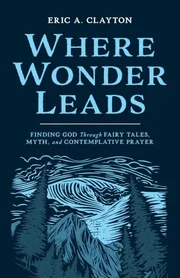

Clayton combines speculative fiction with Catholic theology in this reflective self-helper. Through 35 guided meditations, readers are encouraged to imagine themselves on a quest led by Ignatian principles. The author, who believes that stories reflect divine truths, proposes spiritual practices for worldbuilding, including trusting your imagination, being specific, seeing the world as grace-filled, and embracing wonder and awe. The first meditation conjures a wizard as readers are “invited to step beyond [their] status quo.” Subsequent meditations contemplate the support of a proverbial walking stick and the companions who journey with us. In a section on spiritual guides, Clayton explains the Ignatian tradition of “discerning the spirits,” asking if our choices bring us closer to God or serve the “enemy of our human nature.” Fairies teach us that “the universe is greater than we can possibly imagine,” and that God is omnipresent. Pixies represent malignant forces that can tempt us off the path, while the centaur stands in for the willingness to embrace curiosity, creativity, and the unknown. Anger is imagined as “winged terrors” that “swoop down unexpectedly into our lives” but ultimately need to be welcomed and accepted. The final meditation focuses on becoming a mage, or “teaching hero” for others. Clayton effectively combines personal anecdotes, fictional narratives, and Bible stories in this unique book. Vignettes featuring the author and his daughters are touching and exemplify the book’s teachings (rebuilding a fairy garden is an act of “sacramental imagination”; meeting a “unicorn” at the Renaissance Faire is an invitation to reinterpret the “hard facts of our lives”). The settings are vividly described, like woods where “water bugs drift atop the water’s surface. Leaves drift down and come to rest on plant roots and dirt.” “Tools for sharing,” including reflection questions, retreat suggestions, and family activities, provide actionable opportunities to engage with the material. However, readers unfamiliar with fantasy may find the niche references (such as those to an orc) difficult to connect with.