
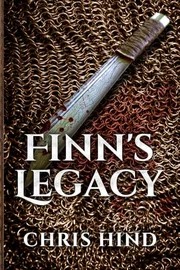

King Finn, son of Folcwald, is a Frisian king. Unlike many great men and kings of his time, he is not a warlord—though he finds himself occasionally concerned about being known as “a king who traded rather than raided,” he knows he has built a solid home for his people and his family. Queen Hildeburh, Finn’s beloved, does not share his even temperament; ruled by her emotions, her temper can run hot. Together, they strike a delicate balance to lead their subjects. When their oldest son, Friðuwulf, returns from fostering with Hildeburh’s brother, Hnæf, he is accompanied by Hengest to make any potential raiders rethink attacking the returning party. Before leaving, Hengest was told of a bad omen warning that this journey promises dark days ahead for him and his family. As unrest and uprisings come to Finnsburg, the royal family and their visitors must work together to return peace to the land. Will Hengest be able to return to his home and family and find them safe and sound, or will the bad omen come for them all? In this historical novel, drawing inspiration from an old Anglo-Saxon tale and from Beowulf, Hind immerses readers in a past filled with Viking-like raiders and seafarers. Casual readers may be taken aback by the many names to be learned that are introduced early on, especially as so many look or sound similar (Guthere and Guthlaf, for example), but an appendix of character names eases any confusion. As the story progresses, and the characters begin to align themselves, readers will easily know who to root for. This character-driven narrative, steeped in a much-fantasized about time in history, will find eager readers.