
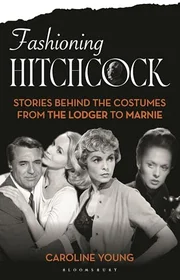

Alfred Hitchcock (1899–1980) wasn’t the world’s most recognizable film director for his dashing good looks. In Young’s deep dive into the Master of Suspense’s approach to costuming his actors, she hypothesizes that there was “a wish fulfillment to Hitchcock’s filmmaking as he fantasized about being as suave and debonair as Cary Grant in impeccable tailoring, instead of being trapped in his own bulky, awkward frame.” As a director more invested than most in the clothes that went on his actors’ backs—he would occasionally take them shopping for their costumes—Hitchcock worked closely with the designers spotlighted herein, especially the multiple Oscar-winning Edith Head, who worked on nearly all of his movies, from 1954’s Rear Window onward. Young, a Scottish writer behind a previous Hitchcock book, Hitchcock’s Heroines, is like one of the director’s better on-screen gumshoes, sleuthing out and spotting patterns in Hitch’s costume and style preferences. She notes that “his psychopaths were typically dandies—Uncle Charlie in Shadow of a Doubt, Bruno in Strangers on a Train, and Bob Rusk in Frenzy, had a flair for fashion and a desire to kill.” In a Hitchcock film, a purse isn’t just a purse: The title character in Marnie “keeps her proceeds from her crimes, and her neurosis, within a yellow pouch; in Dial M for Murder, Tony invades Margot’s maroon bag to frame her for murder; and Lisa in Rear Window proves her resourcefulness by squeezing her nightgown and slippers into a tiny overnight case.” As Young proceeds chronologically from film to film, skipping over precious few, she reliably supplies casting backstories and plot synopses—although this offering probably isn’t geared for Hitchcock newbies. Fashionistas should, of course, ignore that advice.